Events
Join Us
Type in your search and hit Enter on desktop or hit Go on mobile device
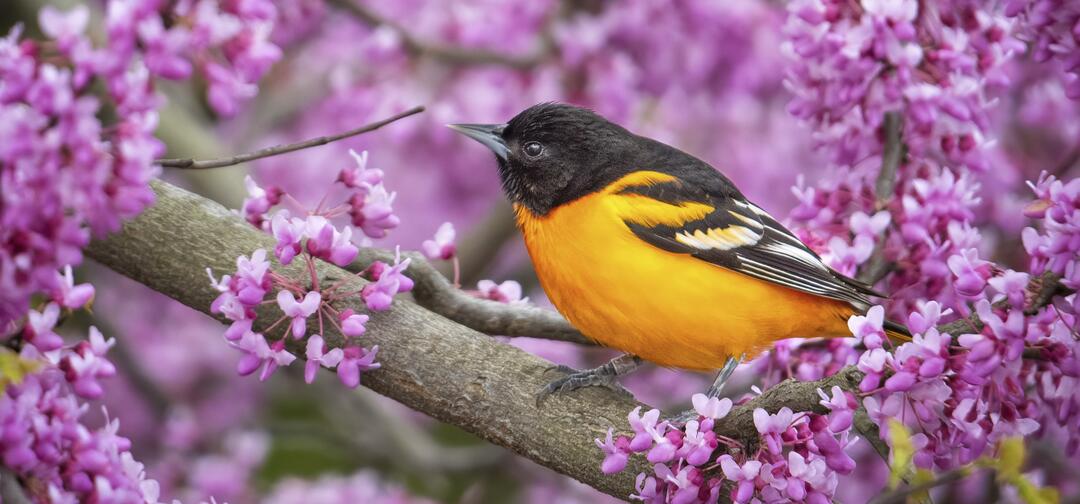
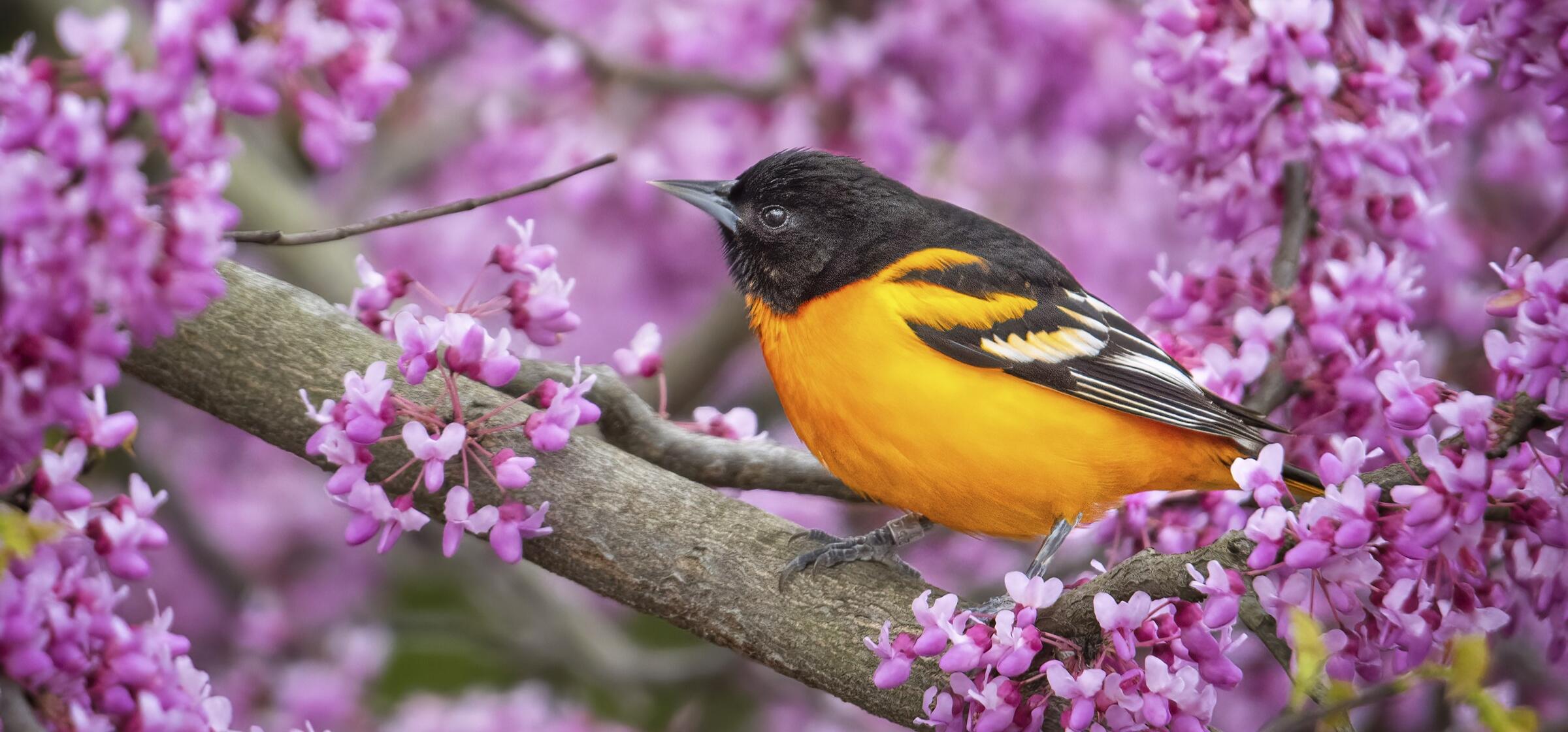
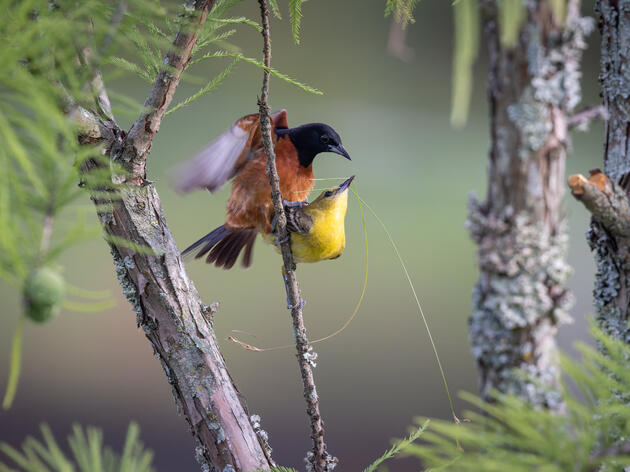
Baltimore Oriole. Photo: Linda Scher/Audubon Photography Awards
From the Blue Ridge Mountains to the Outer Banks, Audubon protects birds and the places they need across North Carolina using science, advocacy, education, and on-the-ground conservation.
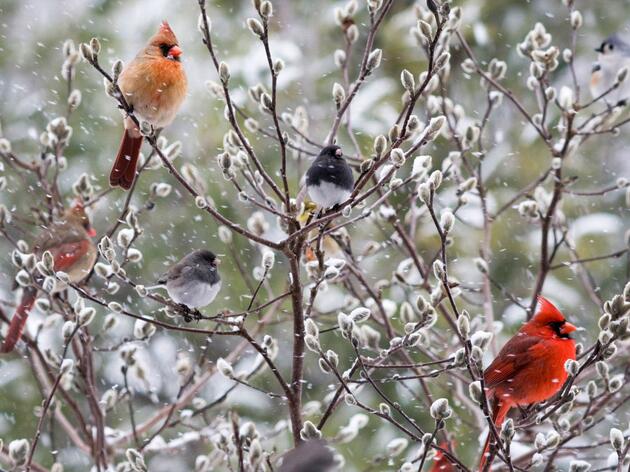
Sign up today to speak up for birds at Advocacy Day on May 22. We’ll meet with lawmakers and speak up for bird-friendly legislation, including conservation funding as well as wetlands and family land protections.
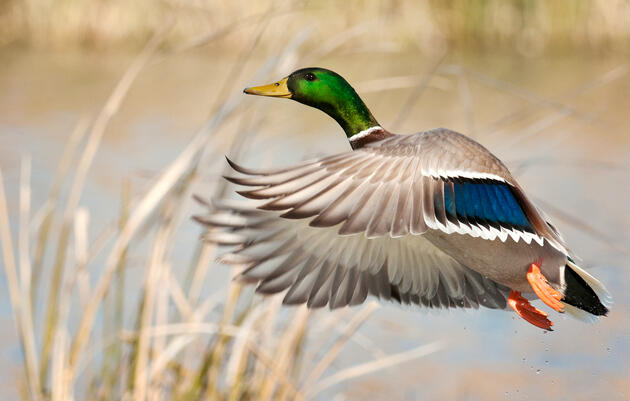
Executive order to conserve and restore 2 million acres of forests and wetlands in North Carolina and plant 1 million new trees in urban areas by 2040.
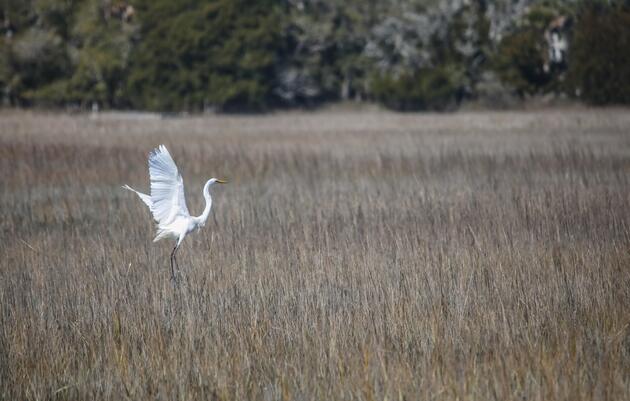
Pilot projects will test methods for protecting and rebuilding Currituck Sound marshes.
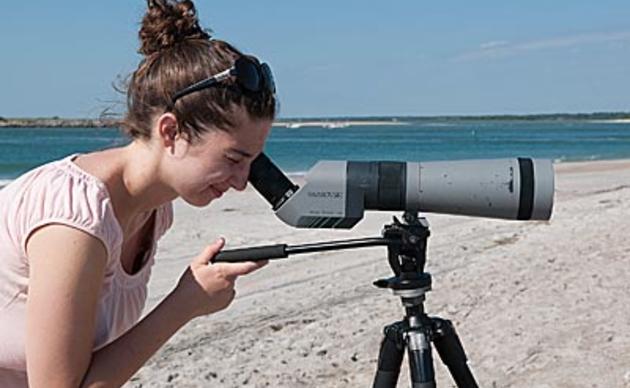
Birds need YOU! Get involved in helping to preserve our birds and their habitats today. There is something for everyone!
Help secure the future for birds at risk from climate change, habitat loss and other threats. Your support will power our science, education, advocacy and on-the-ground conservation efforts.

Keep up-to-date on all that happens with Audubon North Carolina's research, events and volunteer opportunities.