Great Dismal Swamp
Location: Gates, Camden and Pasquotank Counties
Total Size: 41,391 acres
Map
Site Description: The Great Dismal Swamp encompasses more than 100,000 acres of wilderness and largely inaccessible swamp forest in North Carolina and Virginia. This IBA includes the Great Dismal Swamp National Wildlife Refuge and Dismal Swamp State Natural Area, which lie in a flat basin just east of the Suffolk Scarp, on the Virginia-North Carolina line. The area contains a large amount of nonriverine swamp forest, as well as a vast area of pond pine woodland and pocosin, and some of the larger stands of Atlantic white cedar remaining in NC. The site is crossed by a network of old canals and ditches.
Habitats: non-riverine swamp forest, non-riverine forested wetland, pocosin, white cedar.
Nonriverine Swamp Forest . Mature stands, dominated by red maple, with swamp tupelo, sweetgum, tuliptree and others. Bald - cypress and water tupelo are scarce and are most numerous in the wettest areas just east of the Suffolk Scarp. Cane and sweet pepperbush are abundant shrubs.
Pond Pine Woodland - A portion of the eastern section contains old - growth pond pine stands which are now being invaded by red maple. Some areas contain dense stands of pocosin shrubs, such as inkberry, generally under the pine canopy (i.e., very little low or high pocosin.)
White Cedar - Several thousand acres of Atlantic White Cedar. These dense stands have been fire - suppressed and some invasion by red maple is taking place.
Land Use: other conservation, wildlife conservation, recreation/tourism
Primary Threats: succession/fire suppression, drainage
Most of the site, at least the NC portions, have been fire - suppressed for decades. The pond pine stands and perhaps the white cedar stands, need to be burned to try to control red maple and other hardwoods and to open up the understory to make habitat suitable for RCW’s. Fire may kill mature white cedars, but it is hoped that the seed bank (of cedars) will germinate and that the fire will knock back hardwoods.
The area contains numerous drainage ditches. Three are water control structures on some ditches. Though ditching has allowed the spread of hardwoods, probably little can be done to manage hydrology now to increase the wetness of the swamp.
Protection Status: The majority of the Great Dismal Swamp
is in public ownership and under the jurisdiction of a state or federal
agency. However, there is significant tracts adjoining the public lands
that support significant habitat and birds. Acquisition of this area
should be pursued.
Conservation Issues: There is a need to acquire the
Green Sea, a contiguous area east of US 17 that still retains several thousand
acres of natural swamp vegetation.
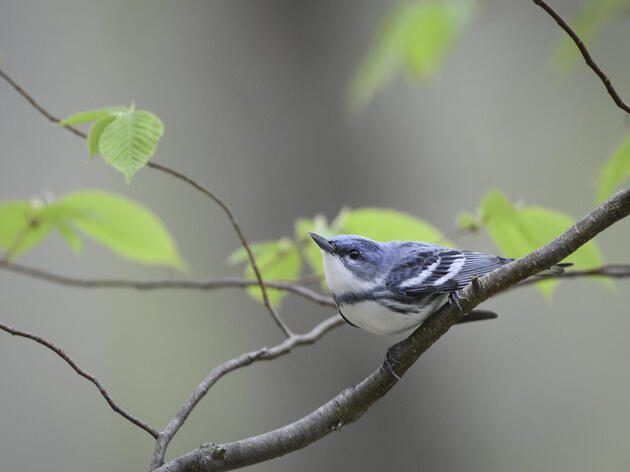
Birds: Great Dismal Swamp is a very
important site for nesting Neotropical migrant birds (Criteria 4g). It contains
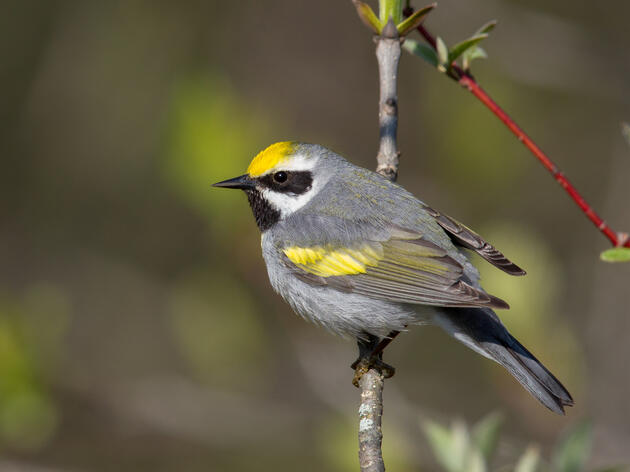
among the largest populations of Swainson’s Warblers and Black - throated
Green Warblers for any site in the mid - Atlantic Coastal Plain. It also has
large numbers of other warblers uncommon near the coast, such as American
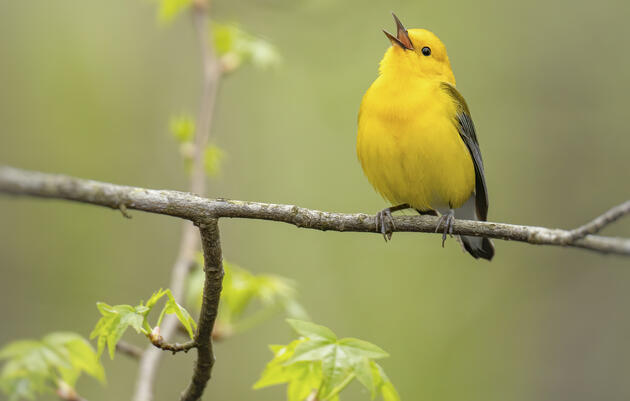
Redstart and Louisiana Waterthrush. Abundant species include Prothonotary
Warbler, Ovenbird and Prairie Warbler. Large raptors such as Red - shouldered
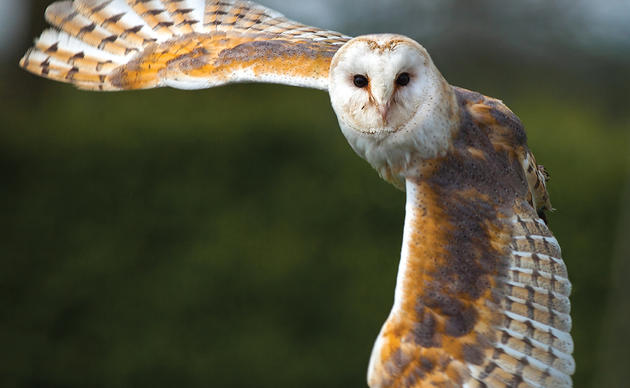
Hawk and Barred Owl are common. The federally Endangered Red - cockaded
Woodpecker formerly nested in the swamp.
Key Bird Species
|
Criteria |
Season |
Number |
||
| 2 | Prothonotary Warbler | B | -- | |
| 4a | Black-throated Green Warbler | B | -- | |
| 2 | Worm-eating Warbler | B | -- | |
| 4a | American Redstart | B | -- | |
| 2 | Swainson's Warbler | B | -- | |
| 4a | Louisiana Waterthrush | B | -- | |
| 4a | Ovenbird | B | -- | |
| 2 | Prairie Warbler | B | -- | |
| 4a | Black and White Warbler | B | -- | |
| 4a | Barred Owl | all | -- | |
| 4a | Red-shouldered hawk | all | -- | |
| migrant landbirds | FM, SM | -- |
B=Breeding FM=Fall Migration
SM=Spring Migration W=Winter
Sources:
Harry LeGrand, NC Natural Heritage Program